Typical excuses from illegal parkers — and how to still enforce your rights
Someone parked illegally on your private parking space? Learn which excuses don't help illegal parkers and how to enforce a contractual penalty (Vertragsstrafe) in Germany — including by assignment.

 Illegal Parking & Towing3 min read


Overview.
Someone parked illegally on your private parking space? Learn which excuses don't help illegal parkers and how to enforce a contractual penalty (Vertragsstrafe) in Germany — including by assignment.
Table of contents
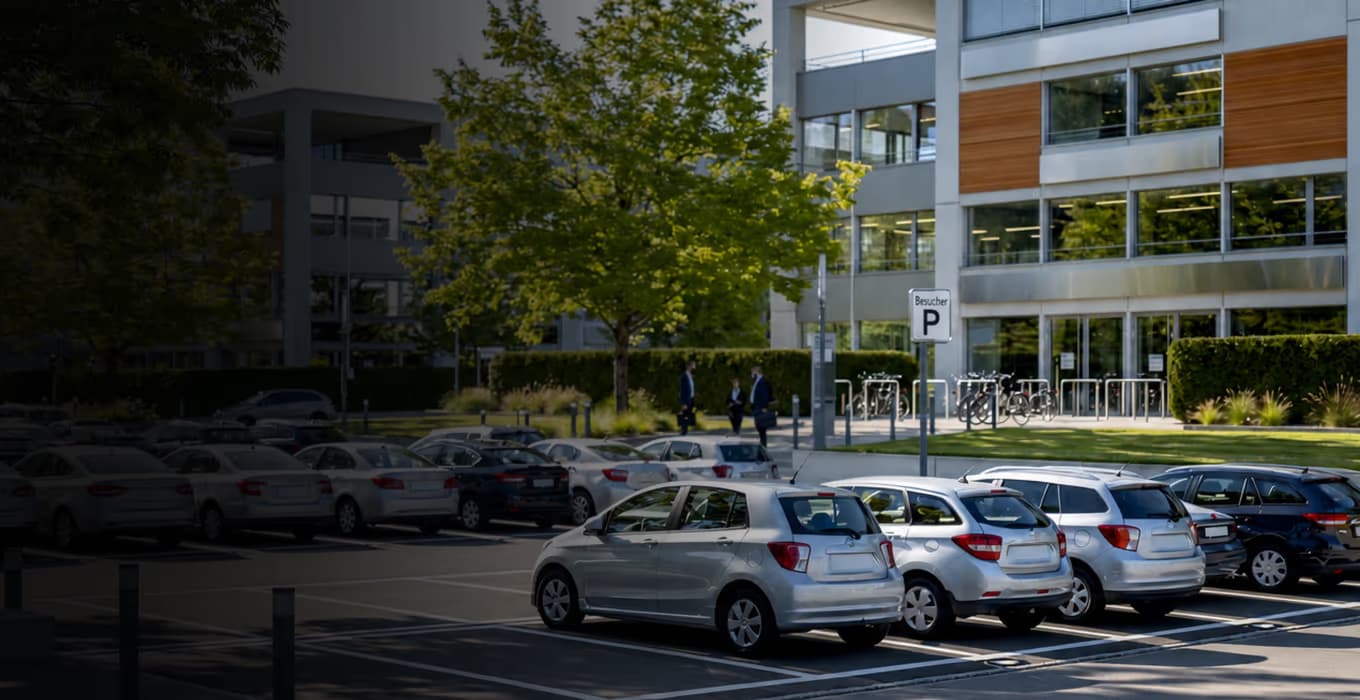
Illegal parking on private property is a daily nuisance — for owners, tenants, property managers and parking operators. The frustration is not only emotional but also involves real effort: securing evidence, identifying the keeper, communicating with the illegal parker. And anyone who confronts the driver tends to hear the same excuses.
Can you still claim a contractual penalty?
The answer: as a rule, yes — provided your car park is properly signposted. In this article you'll learn which excuses don't help and how parking-space owners in Germany can enforce their rights — under civil law and without the Ordnungsamt.
What is a contractual penalty?
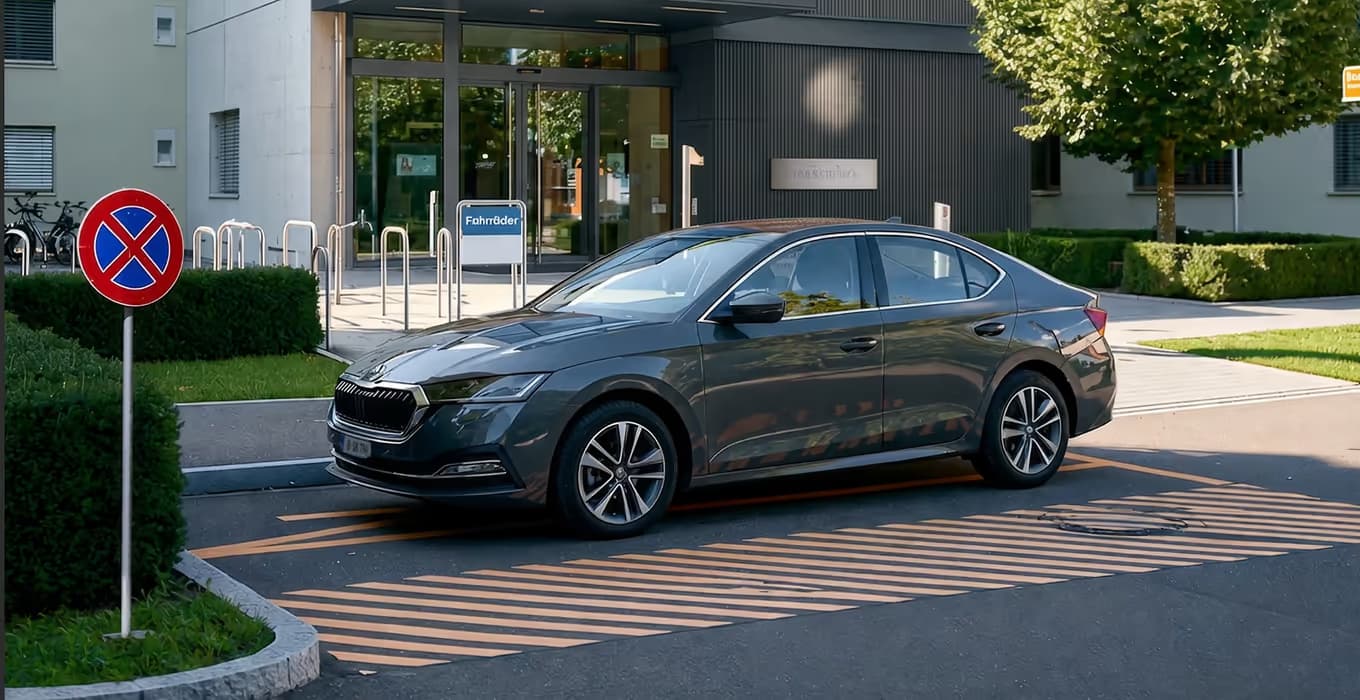
Unauthorised parking on private ground is unlawful interference with possession (verbotene Eigenmacht, § 858 BGB). If the car park is suitably signposted, parking the vehicle also creates a usage contract (BGH, judgment of 18.12.2019 – XII ZR 13/19). The contractual penalty (Vertragsstrafe, §§ 339 ff. BGB) provided for in it becomes due in the event of a breach.
What is required?
Germany does not require any court order. What matters is clearly visible signage at the entrance setting out the conditions of use. These conditions are standard business terms (AGB, §§ 305 ff. BGB) and only become effective if they are clearly pointed out before parking.
Common excuses — and why they rarely help
"I was only there for five minutes."
The duration is generally irrelevant. Anyone who parks without authorisation on a signposted private car park breaches the conditions of use — whether for five minutes or five hours.
"I didn't see the sign."
This depends on the signage. If a clearly visible sign hangs at the entrance, overlooking it usually doesn't help. That makes it all the more important that your sign is prominently placed and that you photograph it.
"Everyone parks here."
There is no customary right on private ground. Every breach is considered individually — even if others do it too.
"I had an emergency."
Whether a genuine emergency justifies an exception has to be assessed case by case. A quick errand or a coffee certainly doesn't count.
"I wasn't the one driving."
If the keeper denies having driven, they must, as part of their secondary burden of explanation, state who could have been the driver — otherwise they are liable themselves (BGH, judgment of 18.12.2019 – XII ZR 13/19).
The right approach
- Secure evidence
Photograph the vehicle with its number plate, the location, time, signage and markings. The better the evidence, the easier the enforcement.
- Obtain keeper information
Where you have a legitimate interest in enforcing legal claims, you can request keeper information from the Federal Motor Transport Authority (Kraftfahrt-Bundesamt, Central Vehicle Register) (§ 39 StVG). Use photos and number plates only for this purpose (Art. 6(1)(f) GDPR).
- Issue the claim
Draft a letter referring to the conditions of use, the breach and the contractual penalty, supported by photos.
Assignment: transfer your claim
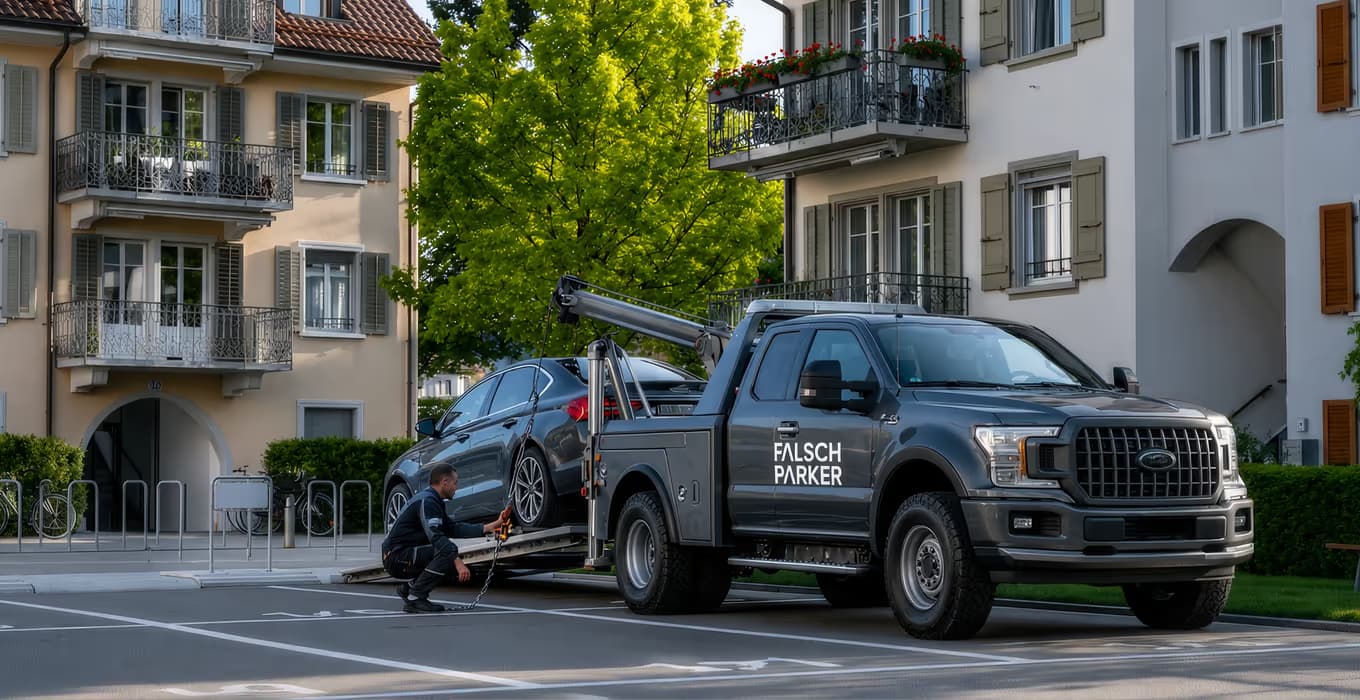
If you don't want to handle all this yourself, you can assign your claim to a specialised platform such as FalschParker.io.
What is an assignment?
An assignment (Abtretung, §§ 398 ff. BGB) is a contract that transfers your civil-law claim to a third party. The new creditor — e.g. FalschParker.io — steps into your position and handles:
- the legal enforcement,
- the communication with the illegal parker,
- reminders and debt collection.
💡 Your advantage: FalschParker is free for parking-space owners, and you sign the assignment declaration digitally in the app.
How high may the contractual penalty be?
There is no statutory flat rate. The amount must be reasonable and has to be assessed case by case; disproportionately high amounts can be invalid (§ 307 BGB). The case decided by the BGH concerned an increased parking fee of €30.
The contractual penalty is not a fine but a civil-law claim.
What to do in case of non-payment?
- Send a payment reminder: in writing, factual, with a deadline and reasons.
- Ask for the driver to be named: if the keeper denies driving, they must state who could have been driving.
- Assign the claim: platforms like FalschParker.io handle the contractual penalty process and collection for you. Find out more under contractual penalty.
Conclusion
Illegal parkers on private property cause not only frustration but real effort. Parking-space owners in Germany have the right to defend themselves — under civil law and without the Ordnungsamt, which is generally not responsible on private ground.
With clear signage, solid documentation and the option of assignment, you can enforce your rights easily — whatever the excuse.
This article is general information and not legal advice.
Protect your parking spot today.
FalschParker helps property owners and tenants enforce private parking rules — without paperwork.
Download app