Digital parking solutions: how the tenant app, third-party app integration and digital parking board make everyday life easier
A digital tenant app reduces parking conflicts, simplifies administration and ensures transparent, efficient parking management in residential complexes.

 Digital Parking Solutions2 min read


Overview.
A digital tenant app reduces parking conflicts, simplifies administration and ensures transparent, efficient parking management in residential complexes.
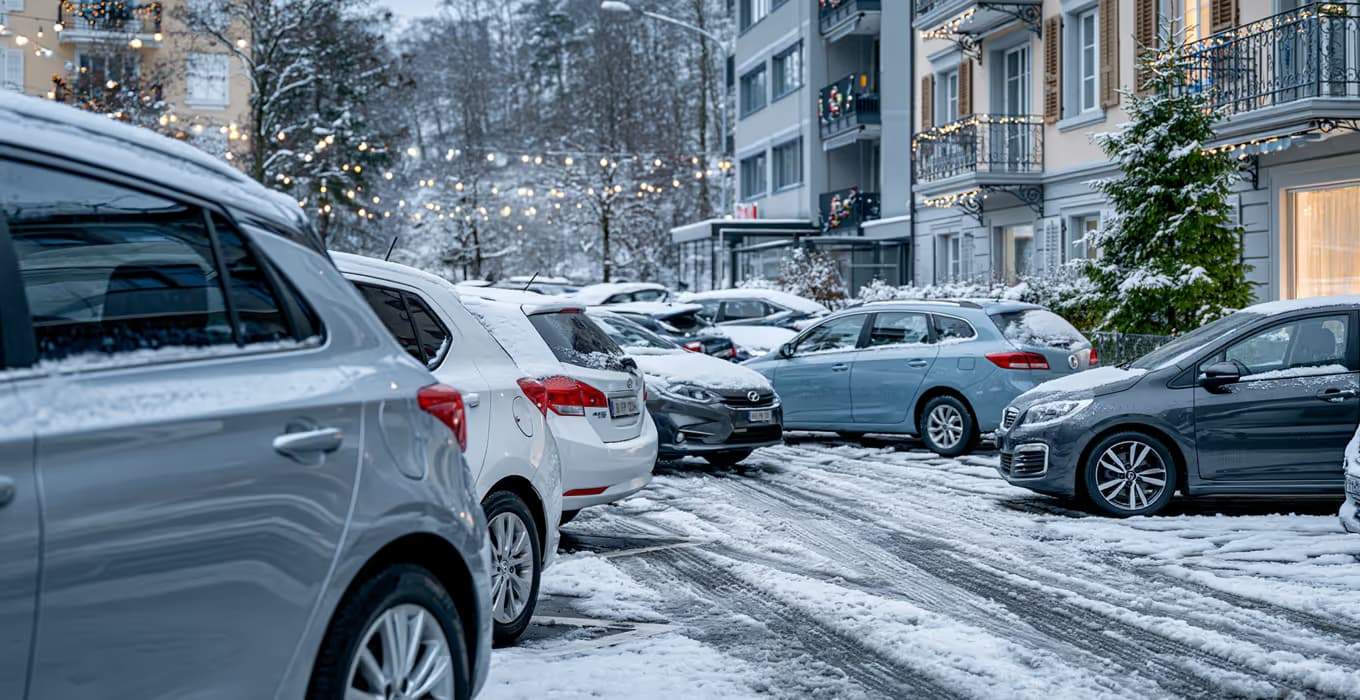
Anyone who lives in a Berlin apartment block with a courtyard, or in the underground car park of a German owners' association (WEG), will recognise the scene: the guest space has been taken by an unknown car for days, a neighbour's visitor circles the block, and the property manager's phone keeps ringing. Caretakers leave notes, owners send angry emails, and nobody is sure who may park where. For managers it is a constant drain on time.
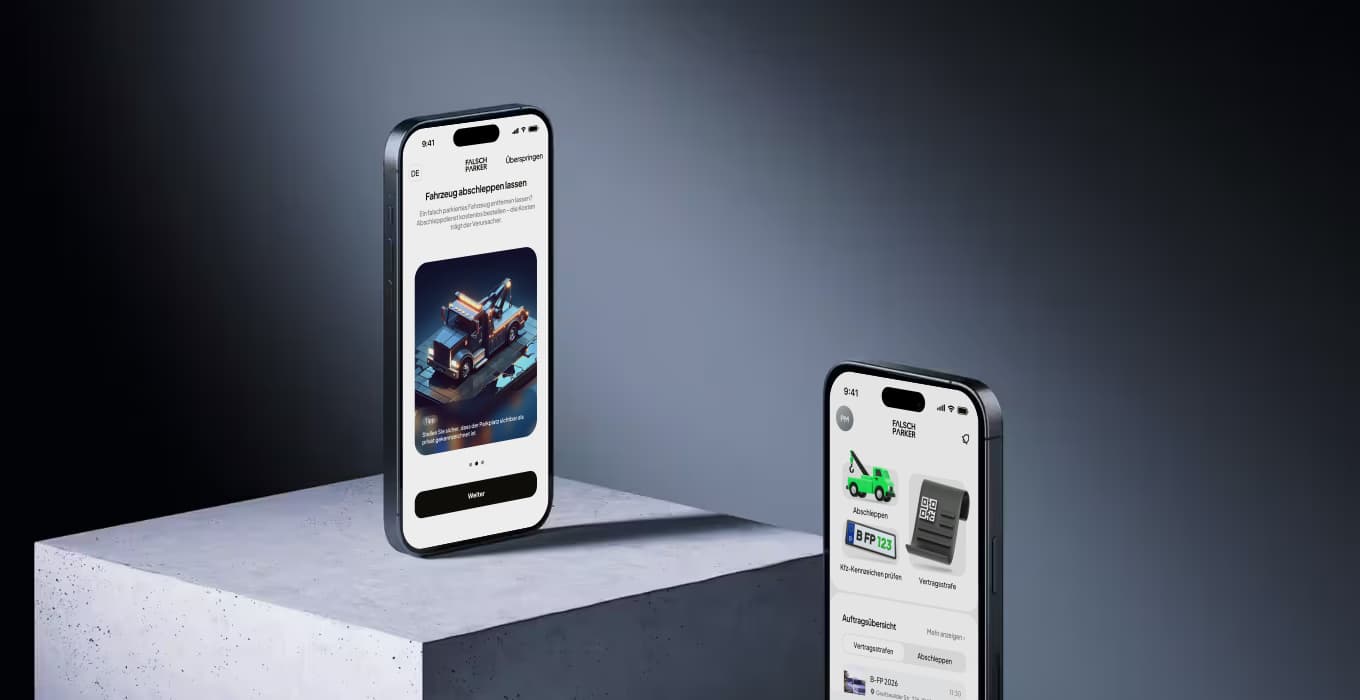
This is where a tenant app comes in. Instead of notices in the stairwell, voicemail or paper forms, requests are bundled on the smartphone: a faulty smoke alarm, water damage in the basement, a request for a tradesperson or a document that needs uploading. Each report goes straight to the right person and the management office saves itself countless calls. How well residents respond to this is shown by a German survey: more than 80% of the 1,000 tenants questioned who already use a tenant app are very satisfied with this way of communicating.
Survey on tenant-app use in Germany
Servicemonitor Wohnen – summary as PDF
It gets really interesting once the tenant app is linked to services from other providers. Through these interfaces, guest parking can be registered digitally, spaces for tradespeople can be reserved in advance, and the charging point in the underground garage can be managed. Residents handle everything in one place, while the management sets the rules centrally. The result: consistent processes and records nobody questions at the next owners' meeting.
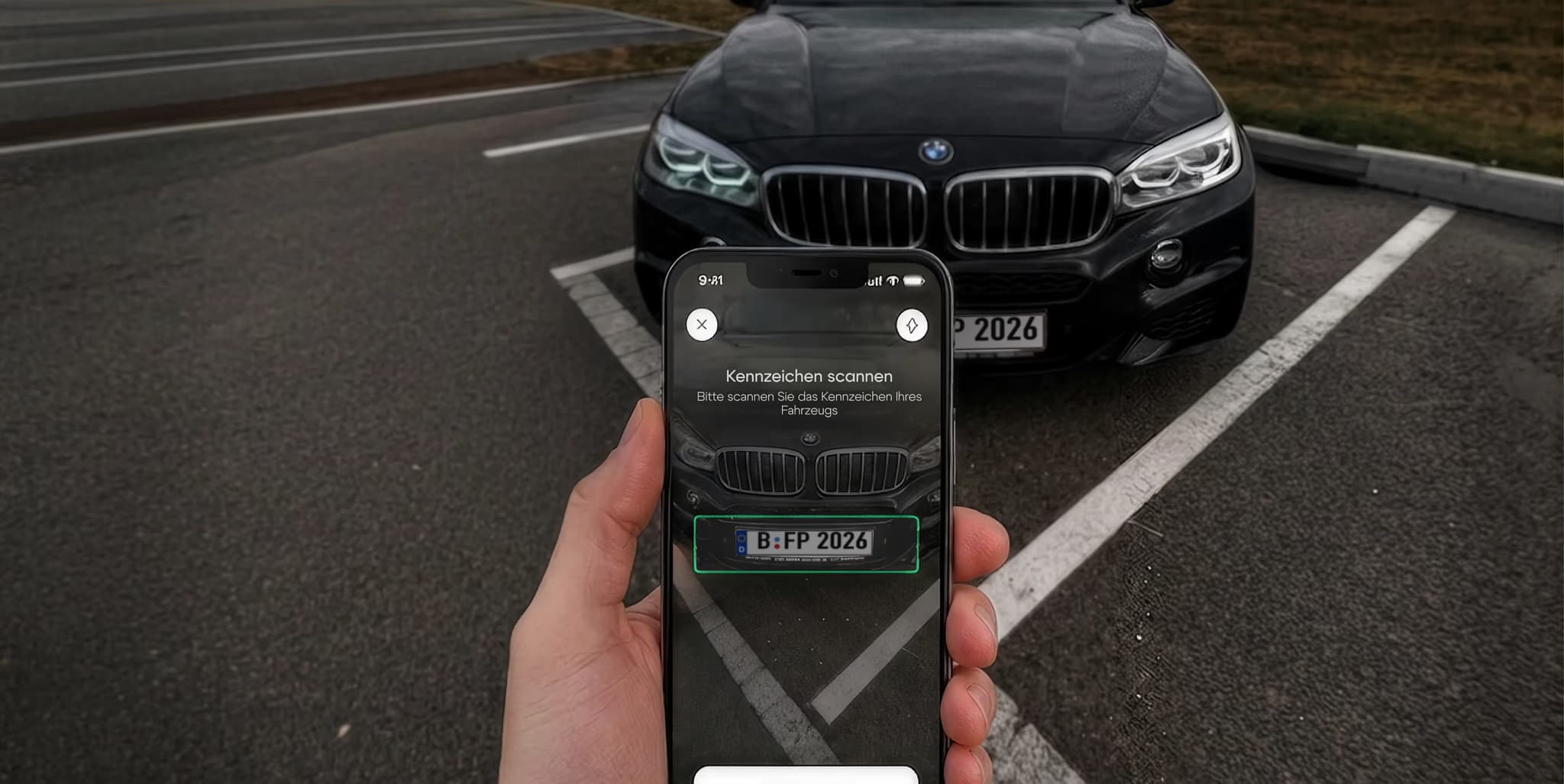
For the car park itself, one building block is the digital parking sign. It carries a QR code that guests scan when they leave their car. The system records the licence plate and arrival time, keeps track of the permitted parking period and lets the management change the rules at any time — say, a shorter maximum stay at weekends — without ordering a new sign. One point that matters in Germany: for terms of use on private land to apply, the sign at the entrance should be clearly visible and state the rules plainly. Anyone who is evidently parked without permission can then be recorded in a traceable way and charged a contractual penalty, with evidence photos always handled in line with the GDPR.
Property managers and owners' associations already combining the tenant app, connected services and the digital parking sign describe similar experiences: arguments over occupied spaces die down, caretakers no longer have to referee disputes, and tenants see the rules as fairer. It also lays the groundwork for further services, from a digital tenant file to booking charging slots at the wallbox.
All in all, the interplay of these three building blocks shows what up-to-date parking management in German residential complexes looks like: digital, adaptable, traceable and ready for future needs. Tenants, caretakers and managers gain clear processes, fewer conflicts and more time for what really matters.
Protect your parking spot today.
FalschParker helps property owners and tenants enforce private parking rules — without paperwork.
Download app