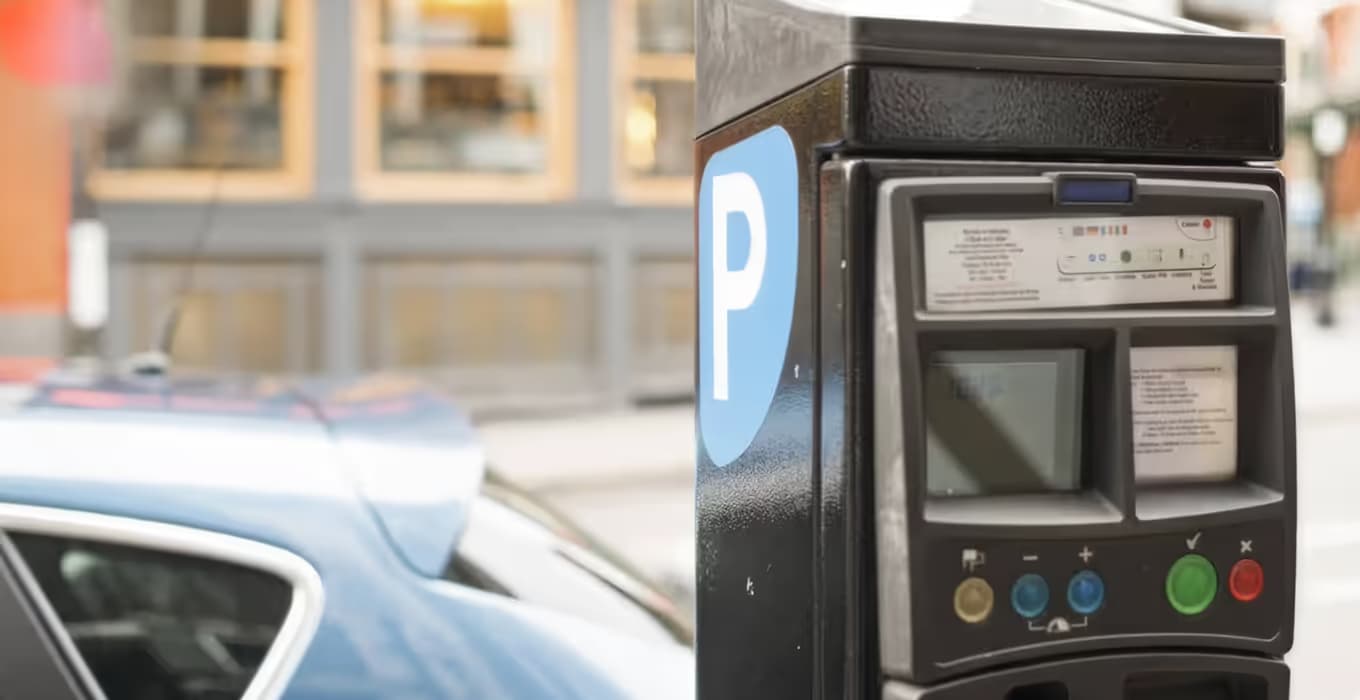
Why evidence and correct keeper identification are decisive in parking violations — and how FalschParker simplifies the process sustainably
Evidence and keeper data are decisive for enforcing a contractual penalty. The article shows what matters and how FalschParker greatly simplifies the process.

 Parking Law & Practice5 min read


Overview.
Evidence and keeper data are decisive for enforcing a contractual penalty. The article shows what matters and how FalschParker greatly simplifies the process.
Table of contents
Enforcing a contractual penalty (Vertragsstrafe) for parking violations on private land is a frustrating and time-consuming process for many owners, property managers and tenants. It often fails due to incomplete evidence, ambiguous situations or the effort involved in identifying the vehicle keeper. For a parking violation to be legally enforceable, traceable and fully provable, you need both clear evidence and correctly obtained keeper data.
Why evidence is indispensable for parking violations
Evidence is the foundation of any enforceable contractual penalty. Without sufficient documentation, a parking violation cannot be proven beyond doubt. Common reasons:
The keeper was not the driver
The keeper receives the payment request, but often someone else was at the wheel. Case law helps here: parking a vehicle on an appropriately signposted private car park creates a contract of use. If the keeper denies having driven, they must, as part of their secondary burden of presentation, state who could have been the driver — otherwise they are liable themselves (Federal Court of Justice (BGH), judgment of 18.12.2019 – XII ZR 13/19). The case decided concerned an increased parking fee of €30. The precondition: signage and violation are properly documented.
The keeper no longer remembers the place and time
Many parking violations happened days or weeks earlier. Unambiguous evidence creates transparency and traceability.
Transparency for the keeper
Vehicle keepers want to know what a claim is based on. Only complete and technically clean documentation prevents follow-up questions and objections.
Safeguard for a potential court case
If a legal dispute arises, evidence must clearly show:
- where the vehicle stood
- when the incident occurred
- what the actual situation was — including the signage at the entrance
Without unambiguous evidence, the chance of successful enforcement drops significantly.
Proof of repeated violations
When a vehicle parks without authorisation repeatedly, this must be provable. Consistent documentation is also the basis for further steps: the keeper can be required to refrain from it (injunctive relief) if they do not name the driver (BGH, judgment of 18.12.2015 – V ZR 160/14).
This evidence should be available
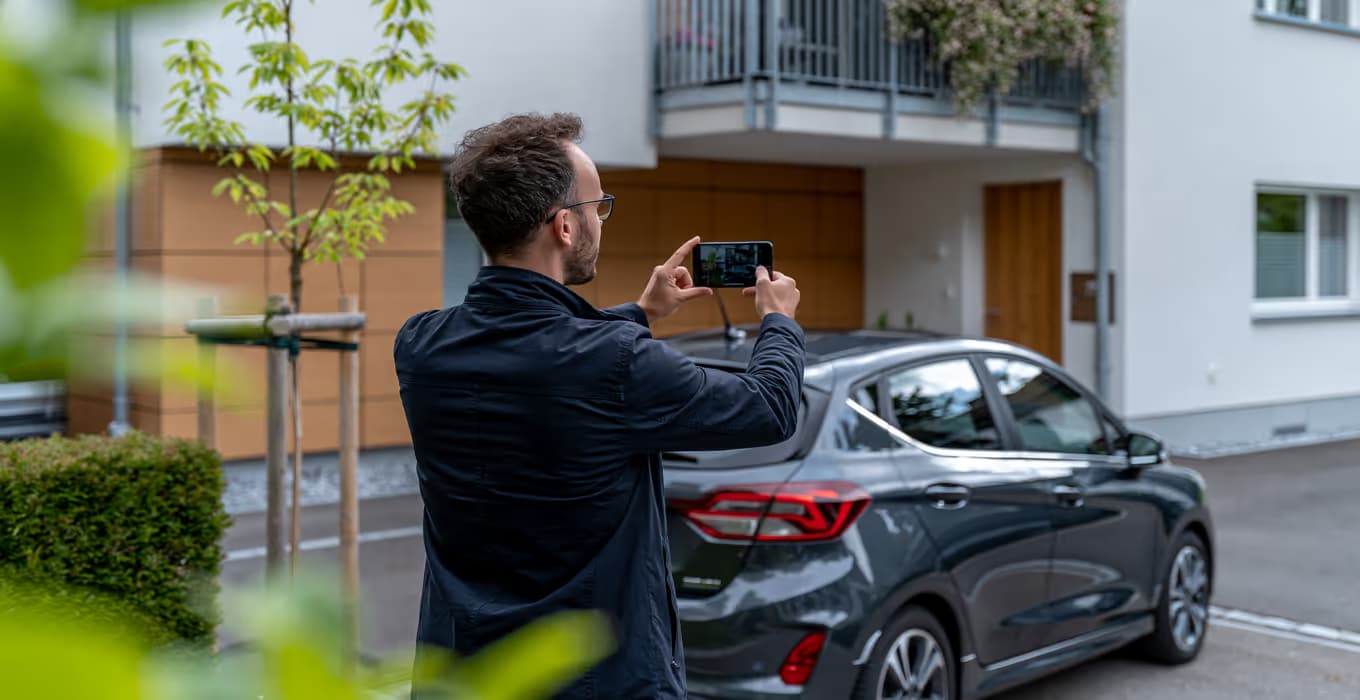
1. Meaningful photos of the vehicle including surroundings
The photos should clearly show:
- the vehicle itself
- the surroundings, for unambiguous location attribution
- relevant signs and markings
- the number plate clearly legible
- ideally multiple perspectives
The more complete the photo documentation, the better the contractual penalty can be substantiated.
2. Exact date and precise time
This information allows the incident to be unambiguously attributed and is indispensable for enforcement.
3. Precise written documentation
This includes:
- type of parking violation
- on-site situation
- the terms of use or the sign at the entrance — the terms are general terms and conditions and only apply if they are clearly pointed out before parking (§§ 305 ff. BGB)
- where applicable, notes on repeated incidents
Clean documentation significantly reduces the scope for attack in a dispute.
Don't forget data protection
Evidence photos and number plates may be processed on the basis of legitimate interest (Art. 6(1)(f) GDPR). Use the data only for the purpose of enforcing your claims and delete it once it is no longer needed.
The biggest challenge: keeper identification
Even when all evidence is complete, the most difficult part is just beginning for many affected parties — identifying the vehicle keeper. In Germany, anyone with a legitimate interest in enforcing legal claims can request keeper information from the Federal Motor Transport Authority (Kraftfahrt-Bundesamt, Central Vehicle Register) (§ 39 StVG).
Why keeper identification is still a lot of work
- The legitimate interest must be set out clearly — with number plate, location, time and reason.
- Every request means paperwork and waiting time.
- Incomplete information leads to follow-up questions or rejections.
- Then come the payment request, reminders and possibly collections — all handled by yourself.
- Many give up at this point at the latest — and parking violations go without consequences.
The result: parking spaces keep being used without authorisation, and landlords and tenants feel powerless.
The solution: how FalschParker simplifies the process
This is exactly where FalschParker steps in and fundamentally simplifies the whole process.
Digital recording on the spot
With FalschParker you:
- scan the number plate
- take an evidence photo
- confirm the location
FalschParker handles the rest of the process
After your report, FalschParker handles the contractual penalty process and collections. So that you don't have to deal with keeper enquiries, reminders and payments yourself, you sign a digital assignment declaration (Abtretungserklärung) directly in the app. How an assignment works is explained in What is an assignment agreement?
This removes most of the effort for the user. FalschParker is free for parking-space owners and operators.
Goal: noticeable relief for private parking areas
Consistent and transparent enforcement can help to ensure that:
- respect for private parking space grows
- conflict and friction are reduced
- tenants and landlords are relieved
If needed, you can also request a towing service via the app. More under How it works.
Conclusion: secure evidence — identify the keeper — protect parking space
Only with complete evidence and correctly obtained keeper data can parking violations on private land be pursued effectively and lawfully. The manual process, however, is so burdensome for many that violations go without consequences — with the well-known results.
FalschParker captures the evidence digitally and takes the further steps off your hands. You get a tool that protects parking, reduces conflict and tangibly simplifies the entire process.
This article is general information and not legal advice.
Protect your parking spot today.
FalschParker helps property owners and tenants enforce private parking rules — without paperwork.
Download app